
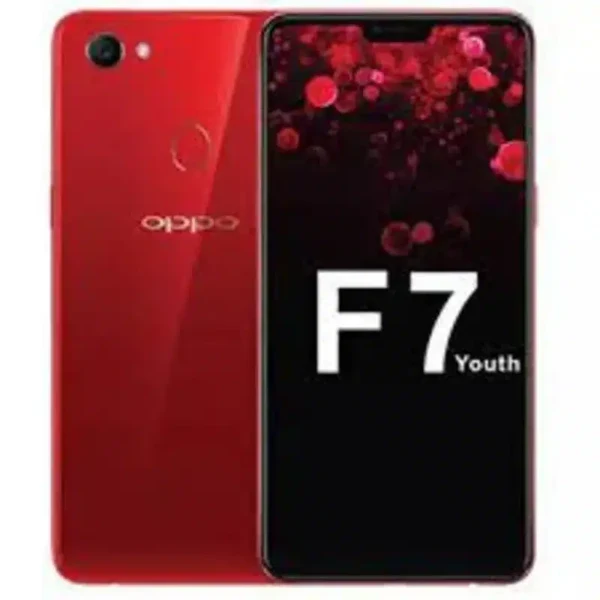
Oppo F7 Youth
-
Processor & RAM 4GB RAM Helio P60
-
Display 6.0" 1080x2160 pixels
-
Battery 3410mAh
-
Camera 13MP 1080p
Oppo F7 Youth: At a Glance
Oppo F7 Youth combines 6.0" 1080x2160 pixels IPS LCD, Mediatek MT6771 Helio P60 (12 nm), 64GB 4GB RAM eMMC 5.1, 13 MP, f/2.2, PDAF, 3410 mAh (Fast wired charging, 50% in 20 min, Wireless charging support). Current status: Available. Released 2018, June.
Specs
Network
| 2G Network GSM 850 / 900 / 1800 / 1900 - SIM 1 & SIM 2 (dual-SIM) CDMA 800 / 1900 | GSM 850 / 900 / 1800 / 1900 - SIM 1 & SIM 2 (dual-SIM model only) |
| 3G Network | HSDPA 850 / 900 / 1700(AWS) / 1900 / 2100 |
| 4G Network | 1, 2, 3, 4, 5, 7, 8, 12, 13, 17, 18, 19, 20, 25, 26, 28, 38, 39, 40, 41, 66 |
| 5G Network | 1, 2, 3, 5, 7, 8, 12, 20, 25, 28, 38, 40, 41, 66, 77, 78 SA/NSA/Sub6/mmWave |
| Speed | HSPA 42.2/5.76 Mbps, LTE, 5G |
LAUNCH
| Announced | 2018, June |
| Status | Available. Released 2018, June |
BODY
| Dimensions | 156.5 x 75.2 x 7.8 mm (6.16 x 2.96 x 0.31 in) |
| Weight | 155 g (5.47 oz) |
| Build | Glass front (Gorilla Glass Victus 2), aluminum alloy frame, glass back / eco-leather |
| SIMs SIM (Subscriber Identity Module) is a small card that contains mobile network subscriber's account information. This allows the phone using the card to attach to a mobile network. The SIM card is most commonly associated with GSM and UMTS mobile networks. Moving a SIM card from one phone to another allows a subscriber to switch mobile phones without having to contact their mobile network carrier. SIM cards can also be used by a phone to store limited amounts of data, such as phone numbers and text messages. | Nano-SIM and eSIM / Dual Standby |
Display
| Display Type Display Technology => A number of display technologies and types used in mobile phones => TFT (Thin Film Transistor), IPS (In-Place Switching), OLED (Organic Light Emitting Diode), AMOLED (Active-Matrix Organic Light-Emitting Diode), Super AMOLED (an even advanced version of AMOLED), Resistive Touchscreen (Resistive touchscreens contain two layer of conductive material with a very small gap between them which acts as a resistance), Capacitive Touchsceen (Capacitive touchscreen technology consists of a layer of glass coated with a transparent conductor) | IPS LCD |
| Size | 6.0" 1080x2160 pixels |
| Resolution | 1080 x 2160 pixels, 18:9 ratio (~402 ppi density) |
| Protection Display Protection => Gorilla Glass is a special alkali-aluminosilicate glass shield with exceptional damage resistance that helps protect mobile displays from scratches, drops, and bumps of everyday use, It is always better to go for a smartphone with Gorilla Glass for that added protection and peace of mind. | Scratch-resistant tempered glass |
PLATFORM
| Operating System OS => Every computer system run on a base software called Operating System (OS). Operating System controls all basic operations of the computer (such as smartphone, PDAs, tablet computers and other handheld devices). The Operating System allows the user to install and run third party applications (apps), apps are used to add new functionality to the device. | Android 8.1 (Oreo), ColorOS 5.2 |
| Chipset Chipset is a group of integrated circuits designed to perform one or a more dedicated functions, often with real time computing constraints, Popular smartphones are equipped with more advanced embedded chipsets that can do many different tasks depending on their programming. | Mediatek MT6771 Helio P60 (12 nm) |
| CPU CPU (Central Processing Unit) mostly known as processors, CPU processes instructions in order to carry out certain functions that make your device operate properly. Processors are often described as the brain of computers, smartphones and tablets, Smartphones and tablets rely on processors to carry out their every task, Processors are an incredibly important factor in selecting any type of computing device, including your smartphone. | Octa-core (4x2.0 GHz Cortex-A73 & 4x2.0 GHz Cortex-A53) |
| GPU GPU (Graphics Processing Unit) is a single-chip processor designed to rapidly manipulate and alter memory to accelerate the creation of images in a frame buffer intended for output to a display, This includes things such as lighting effects, object transformations, and 3D motion. | Mali-G72 MP3 |
MEMORY
| Card Slot Memory Card Slot is a special slot for inserting a memory card. Memory cards allow you to expand the phone's built-in memory, A memory card (sometimes called a flash memory card or a storage card) is a small storage medium used to store data such as text, pictures, audio, and video, for use on small, portable or remote computing devices such as mobile phones, mp3 players, digital cameras. | microSDXC (uses shared SIM slot) |
| Internal | 64GB 4GB RAM eMMC 5.1 |
MAIN CAMERA
| Cameras Specs Today’s smartphones come equipped with a very comprehensive set of camera related specifications. Our smartphone, for many of us, has become our primary camera due to it being the one we always have with us. |
13 MP, f/2.2, PDAF |
| Video | 4K@30/60fps, 1080p@30/60/120/240fps, gyro-EIS, OIS |
| Camera Features | LED flash, HDR, panorama, Leica / ZEISS optical tuning |
SELFIE CAMERA
| Features | HDR, Panorama, AI Beauty Mode |
| Video | 4K@30/60fps, 1080p@30/60fps, gyro-EIS |
SOUND
| Loudspeaker | Yes, with stereo dual speakers |
| 3.5mm jack | Yes (3.5mm jack) |
COMMS
| WLAN | Wi-Fi 802.11 a/b/g/n/ac/6e/7, tri-band, Wi-Fi Direct |
| Positioning | GPS (L1+L5), GLONASS, BDS, GALILEO, QZSS, NavIC |
| Bluetooth Bluetooth is a wireless communications technology for exchanging data between mobile phones, headsets, computers and other network devices over short distances without wires, Bluetooth technology was primarily designed to support simple wireless networking of personal consumer devices. | 5.3 / 5.4, A2DP, LE, aptX HD, LHDC |
| USB | USB Type-C 2.0 / 3.2, OTG, DisplayPort |
| NFC NFC (Near field communication) is a set of standards for smartphones and similar devices to establish peer-to-peer radio communications with each other by touching them together or bringing them into proximity, usually no more than a few inches. | Yes (NFC supported) |
| Radio | Stereo FM radio (market dependent) |
Features
| Sensors Sensors are electronic components that detects and responds to some type of input from the physical environment. The specific input could be light, heat, motion, moisture, pressure and location, The output is generally a signal that is converted to use in computing systems, a location sensor, such as a GPS receiver is able to detect current location of your electronic device. | Fingerprint (under display optical / side-mounted), accelerometer, gyro, proximity, compass, barometer, Ultra Wideband (UWB) |
BATTERY
| Battery Type Battery Type => Cell phones run on various kinds of batteries depending on the manufacturer, phone size or shape and features. There are basically four types of cell phone batteries => Lithium Polymer, Lithium Ion, Nickel Metal Hydride and Nickel Cadmium. | 3410 mAh |
| Capacity Battery Capacity is a measure (typically in Amp-hr) of the charge stored by the battery, and is determined by the mass of active material contained in the battery. The battery capacity represents the maximum amount of energy that can be extracted from the battery under certain conditions. | 3410 mAh |
| Charging The functionality responsible for recharging batteries in portable devices, such as mobile phones, significantly influences both battery lifespan and the practicality of daily product usage.The charging process, encompassing factors like voltage, current, and completion actions, is contingent upon the battery's size and type.Contemporary battery chargers dynamically adjust charging parameters based on the battery's current charging state. Charging an empty battery poses no safety risk, allowing for a quicker charging process. Consequently, many charging speed benchmarks, including ours, specify the battery level achieved after a 30-minute session on an empty battery.Standard chargers with a power output of 5V/1A, equivalent to 5W, serve as a baseline, with anything surpassing this speed classified as quick or fast charging. | Fast wired charging, 50% in 20 min, Wireless charging support |
MISC
| Colors | Titanium Gray, Phantom Black, Silver, Navy, Cream |
| Model | Oppo F7 Youth |
| SAR SAR (Specific absorption rate): Each GSM handset has a radio transmitter and receiver in order to operate in the wireless GSM network. That transceiver is manufactured so that when used next to the ear and when worn on the belt, it won't exceed the limits for exposure to radio frequency energy set by the authorities.The authorities in question here are the Federal Communications Commission (FCC) of the U.S. Government, Industry Canada of the Canadian Government (IC), and the Council of the European Union. | 0.98 W/kg (head) 1.15 W/kg (body) |
| SAR EU Each GSM handset has a radio transmitter and receiver in order to operate in the wireless GSM network. That transceiver is manufactured so that when used next to the ear and when worn on the belt, it won't exceed the limits for exposure to radio frequency energy set by the authorities.The authorities in question here are the Federal Communications Commission (FCC) of the U.S. Government, Industry Canada of the Canadian Government (IC), and the Council of the European Union. | 0.75 W/kg (head) 1.05 W/kg (body) |
TESTS
| Performance | Standard Hardware Performance Verified |
| Display | Contrast ratio: Infinite (nominal), 2000+ nits peak |
| Battery (new) | Active use score: 14:30h |
Oppo F7 Youth: AI-Powered Selfies on a Budget (Released 2018)
The Oppo F7 Youth, released in April 2018, prioritized selfie lovers with its AI-powered camera features and a large display, all at a mid-range price point. Here’s a closer look:
- Camera: The highlight of the F7 Youth is its 13MP rear camera with an LED flash. However, the star of the show is the 8MP front-facing camera with AI Beauty Technology 2.0. This technology uses artificial intelligence to enhance selfies with features like smoothening skin tones and adjusting facial features for a more polished look.
- Display: The phone boasts a sizable 6.0-inch IPS LCD display with a Full HD+ resolution (1080 x 2160 pixels). This provides a crisp and vibrant viewing experience for everyday tasks like watching videos and browsing the web.
- Performance: The F7 Youth is powered by the MediaTek Helio P60 processor, paired with 4GB of RAM. This combination can handle most everyday tasks and social media use smoothly, but might struggle with very demanding games or heavy multitasking.
- Battery: The phone packs a decent 3410mAh battery, which can offer a full day’s worth of use on a single charge for moderate users. Oppo also boasts AI Battery Management to optimize battery life.
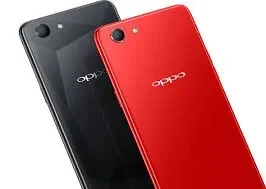
- Design: The F7 Youth comes in two colors: Solar Red and Diamond Black. The design is polished with a glass front and back, making it look sleek but prone to fingerprints.
- Software: The phone launched with Android 8.1 Oreo with Oppo’s ColorOS 5.0 on top. It’s unlikely to have received major software updates since its release.
- Value Proposition: The Oppo F7 Youth was a solid option for budget-conscious users who prioritized a good selfie camera and a large display. However, users seeking the latest software or top-of-the-line performance might want to consider other options.
Overall, the Oppo F7 Youth catered to those who loved taking selfies and wanted a stylish phone with a big screen at an affordable price. Keep in mind the phone’s age and potential software limitations when considering it in today’s market.
Want to Learn More?
Visit the Oppo Official Website
Still Unsure?
Explore Other Options at the Oppo Store
Oppo F7 Youth — Frequently Asked Questions
What processor and storage options does the Oppo F7 Youth have?
The Oppo F7 Youth is powered by the Mediatek MT6771 Helio P60 (12 nm) chipset with an Octa-core (4x2.0 GHz Cortex-A73 & 4x2.0 GHz Cortex-A53) CPU and Mali-G72 MP3 GPU. Memory and storage configurations include 64GB 4GB RAM eMMC 5.1.
What is the battery capacity and charging speed of the Oppo F7 Youth?
The Oppo F7 Youth comes with a 3410 mAh battery (3410 mAh) and supports Fast wired charging, 50% in 20 min, Wireless charging support.
How good is the Oppo F7 Youth camera setup?
On the rear, the Oppo F7 Youth features 13 MP, f/2.2, PDAF. It supports video recording at 4K@30/60fps, 1080p@30/60/120/240fps, gyro-EIS, OIS.
Does the Oppo F7 Youth support 5G, NFC, and a headphone jack?
Yes, the Oppo F7 Youth supports 5G networks (1, 2, 3, 5, 7, 8, 12, 20, 25, 28, 38, 40, 41, 66, 77, 78 SA/NSA/Sub6/mmWave). NFC support: Yes (NFC supported). 3.5mm headphone jack: Yes (3.5mm jack).
What is the price and release status of the Oppo F7 Youth?
Market status: Available. Released 2018, June. Available colorways include Titanium Gray, Phantom Black, Silver, Navy, Cream.
Reviews
Disclaimer Note
We strive to maintain accurate and up-to-date content on our website for general information purposes only. Please refrain from using the material for business, legal, or any other decisions.
More Products from Oppo
New Arrivals

Recent Compares




Gadgets Focus: Your go-to hub for AI, web development, app development tutorials, graphics design insights, and the latest in gadgets information. Stay ahead in the dynamic world of technology with our expert-guided content.
Fast Access
© Gadgets Focus | All rights reserved | Made By Satsuma Droid Pvt Ltd